Block Paving Driveways in Southampton
New block paved driveways dug out, built up and laid properly, so they stay flat for years.
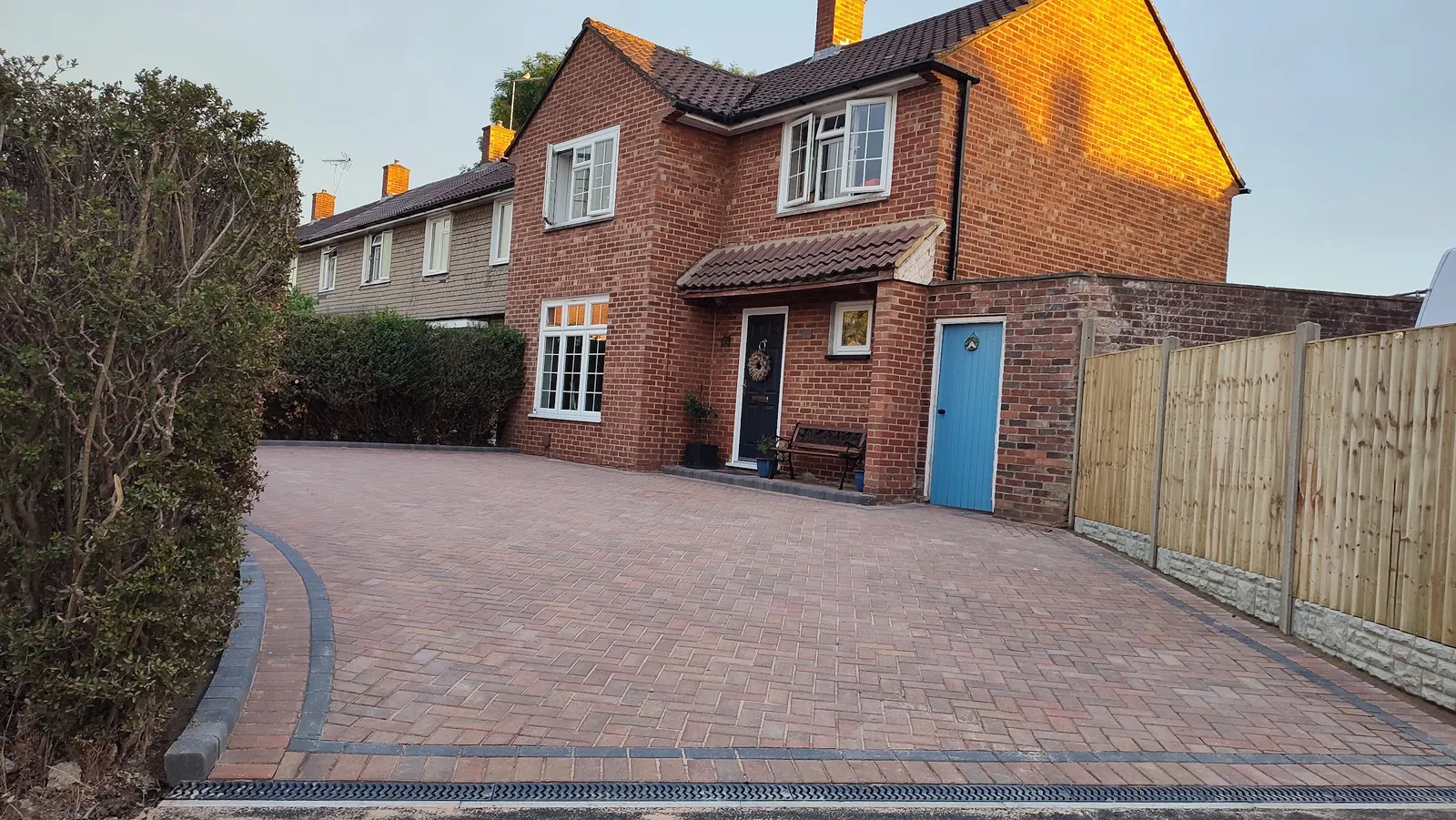
A driveway is the first thing anyone sees of your home, and the thing you drive a two-tonne car over twice a day. The blocks on top are the easy part. What keeps them flat is everything underneath: how deep it was dug, what went back in, how well it was compacted and where the rainwater goes.
That's where we spend our time. We dig out to the right depth, lay and compact a proper MOT Type 1 sub-base in layers, set the edge restraints in concrete, and only then screed the sand and lay your blocks. The result is a drive that looks sharp on day one and still looks sharp when the neighbours' has started to dip.
Popular choices
Watch the ground change
Real Keystone jobs, laid over the photo we took before we started.
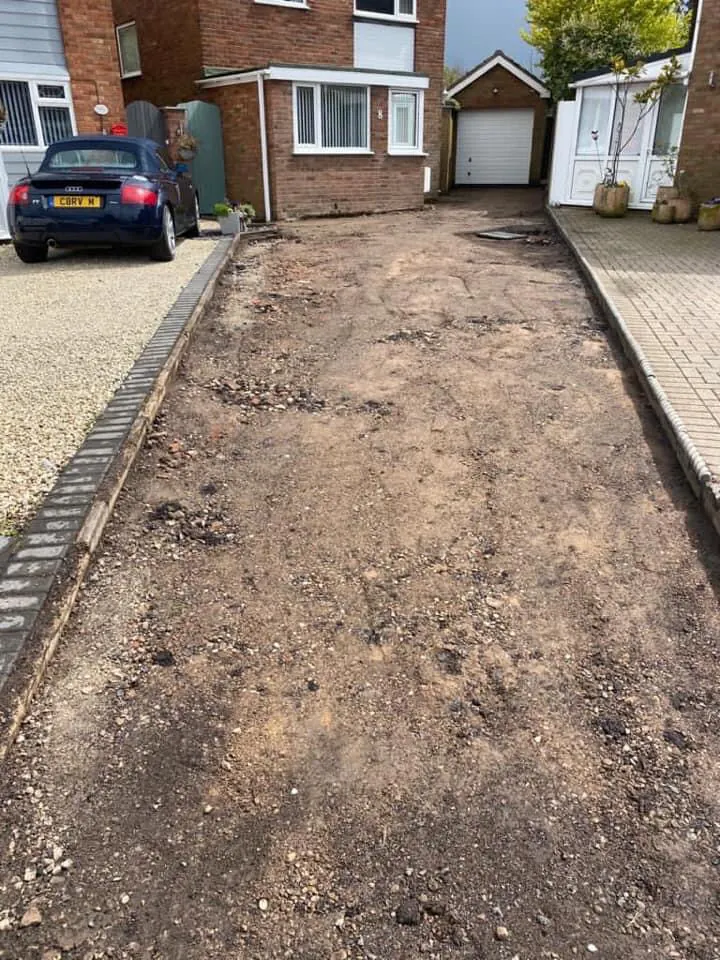
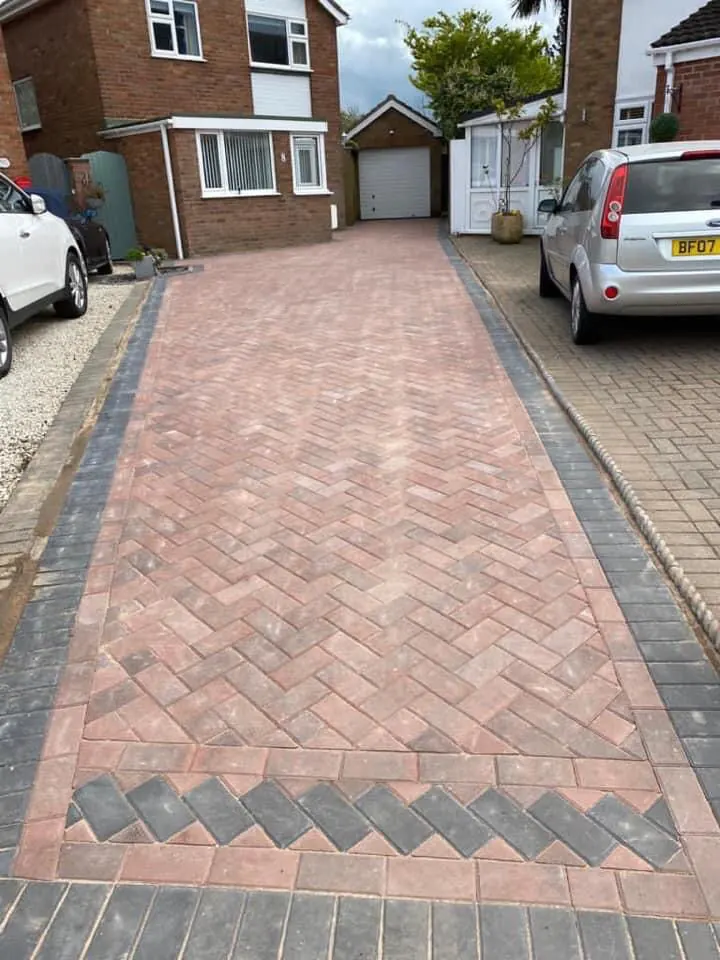
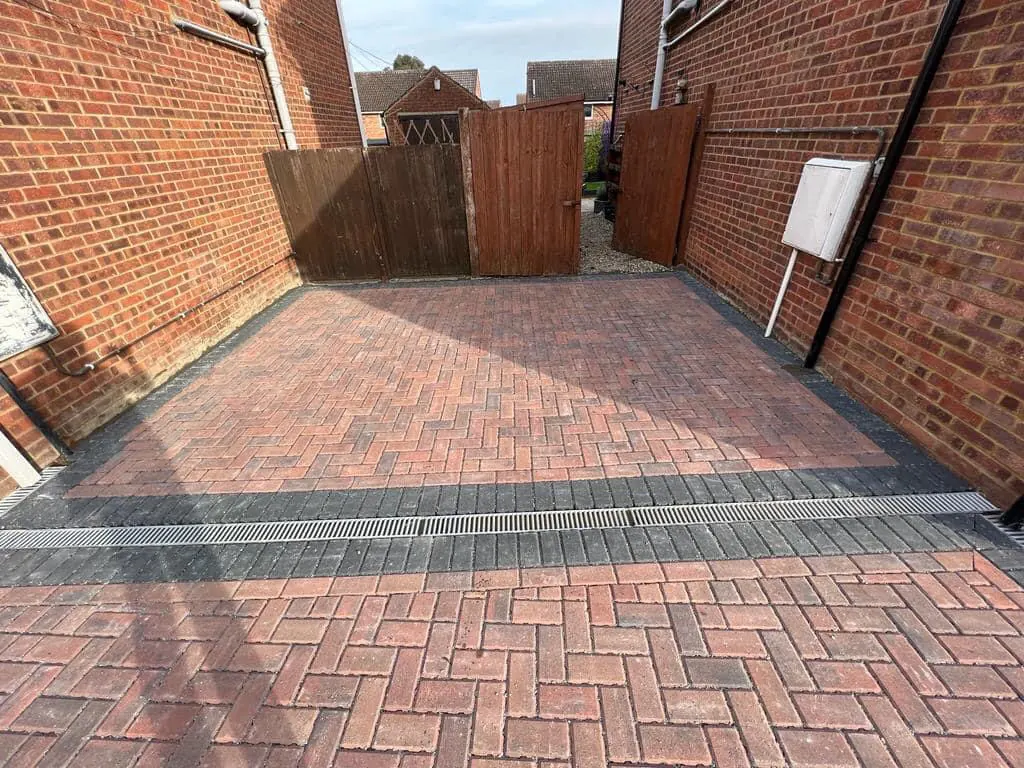
Dug out to the ground, then laid in herringbone with a zig-zag entrance
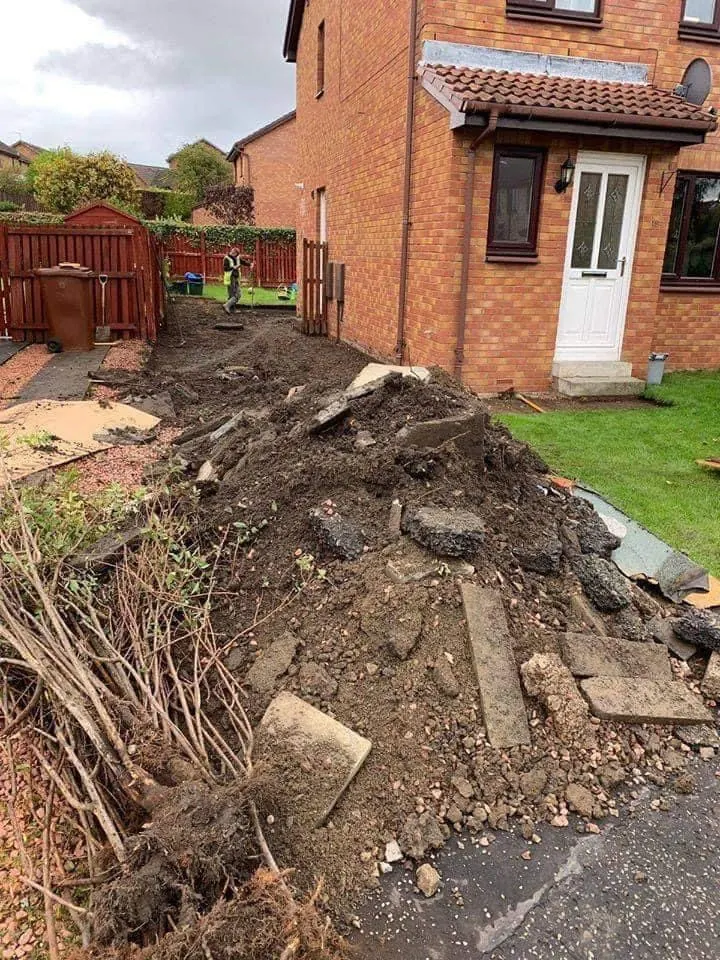
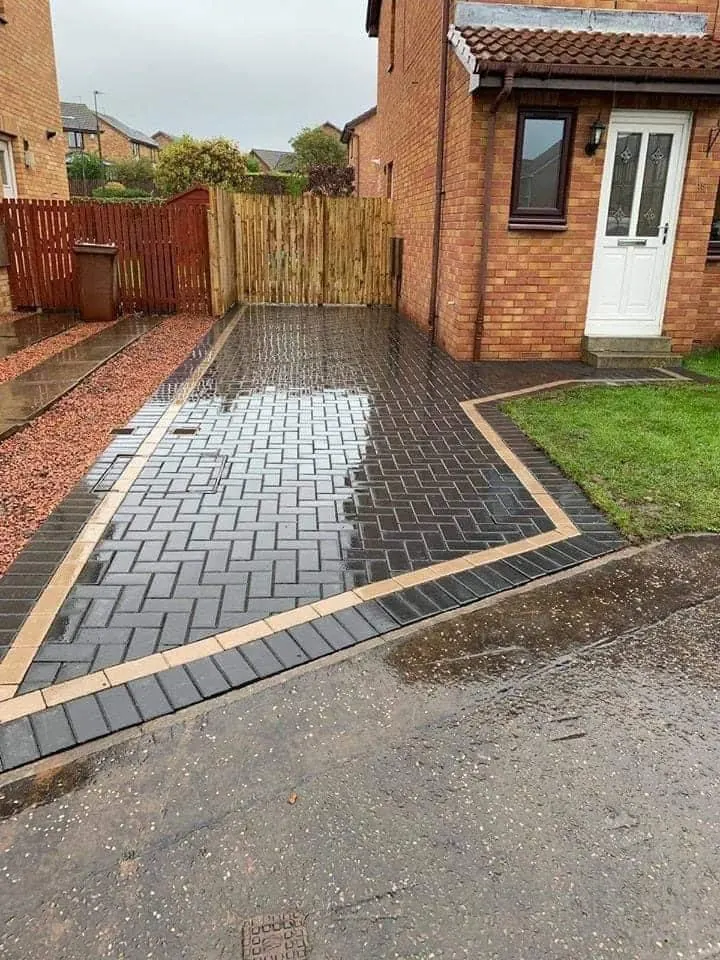
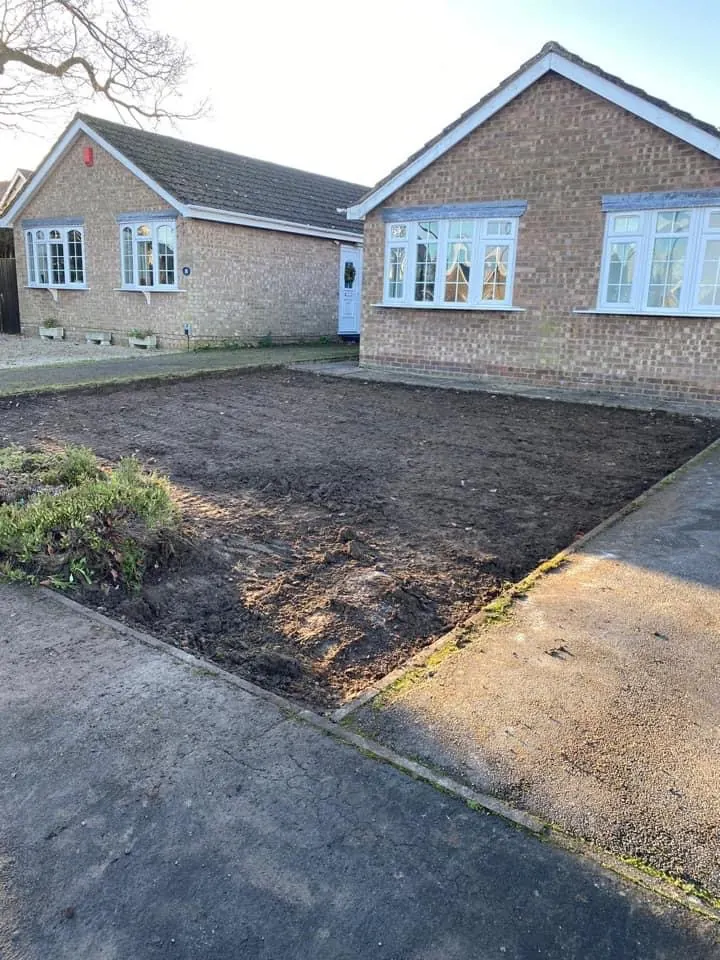
A front garden turned into a charcoal block driveway
What goes under it
The layers below the surface do the work. These are ours, in the order we build them.
- Firm, dug-out groundExcavated with falls set for drainage.
- MembraneStops the base sinking into the soil.
- MOT Type 1 sub-base150–200mm for cars, compacted in layers.
- Laying courseSharp sand screeded to an even 30–40mm.
- Block paving50–60mm blocks, vibrated in and kiln-sand jointed.
Why it’s worth doing properly
- Stays level
A deep, compacted base is what stops the dips and puddles where your tyres sit.
- Adds kerb appeal
A new drive is one of the quickest ways to lift the look and value of a house.
- Easy to repair
Unlike concrete, a single block can be lifted and relaid if a drain ever needs work.
A closer look
What customers say
Dean done an outstanding job restoring our block paved driveway. It was there when I purchased the property, but over the years one side fell away due to short cuts when laid. Dean took the driveway up and relaid blocks…
Our block paved driveway, laid down by another company some years back, had started to dip in several areas, particularly where our car wheels typically rest. This meant we had puddles forming in the rain, and the dips were becoming…
Incredible work done by Dean from Keystone on our driveway. It looks brand new. He also did an amazing job sorting out our patio at the back of the house.
Questions about block paving driveways
How long does a new block paved driveway take?
Most average-sized drives take around one to two weeks from dig-out to final sweep, depending on size, access and weather. We will give you a clear timeline with your quote.
Can I park on it straight away?
Block paving is compacted and jointed as we go, so it can usually take a car as soon as it is finished. We will tell you if anything needs to settle first.
Do I need planning permission?
Front gardens over 5m² generally need a permeable surface or drainage into a lawn or soakaway to avoid planning permission. We will design the drainage so it complies.
Will you take the old driveway away?
Yes. Breaking out and removing the old surface and soil is included in the price.
Get a price for block paving driveways
Tell us roughly how big and when. We come back with a ballpark and a time to visit and fix the price.
- Job
- Size
- When
- You
Other things we do
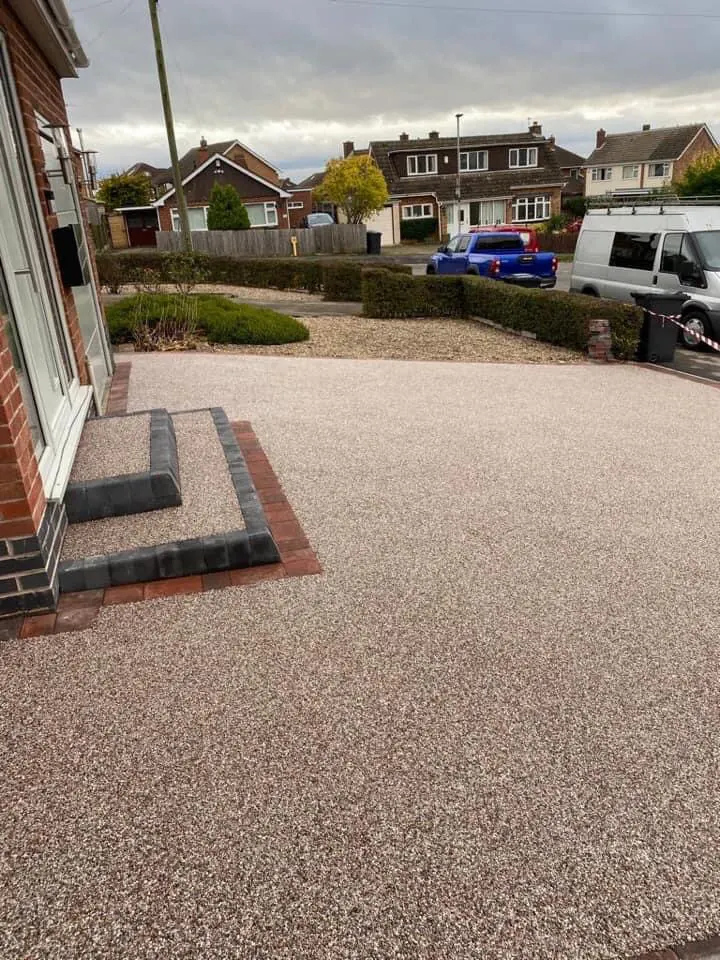 Resin-Bound Driveways Smooth, permeable resin-bound drives, paths and steps, laid on a proper base with crisp block borders.
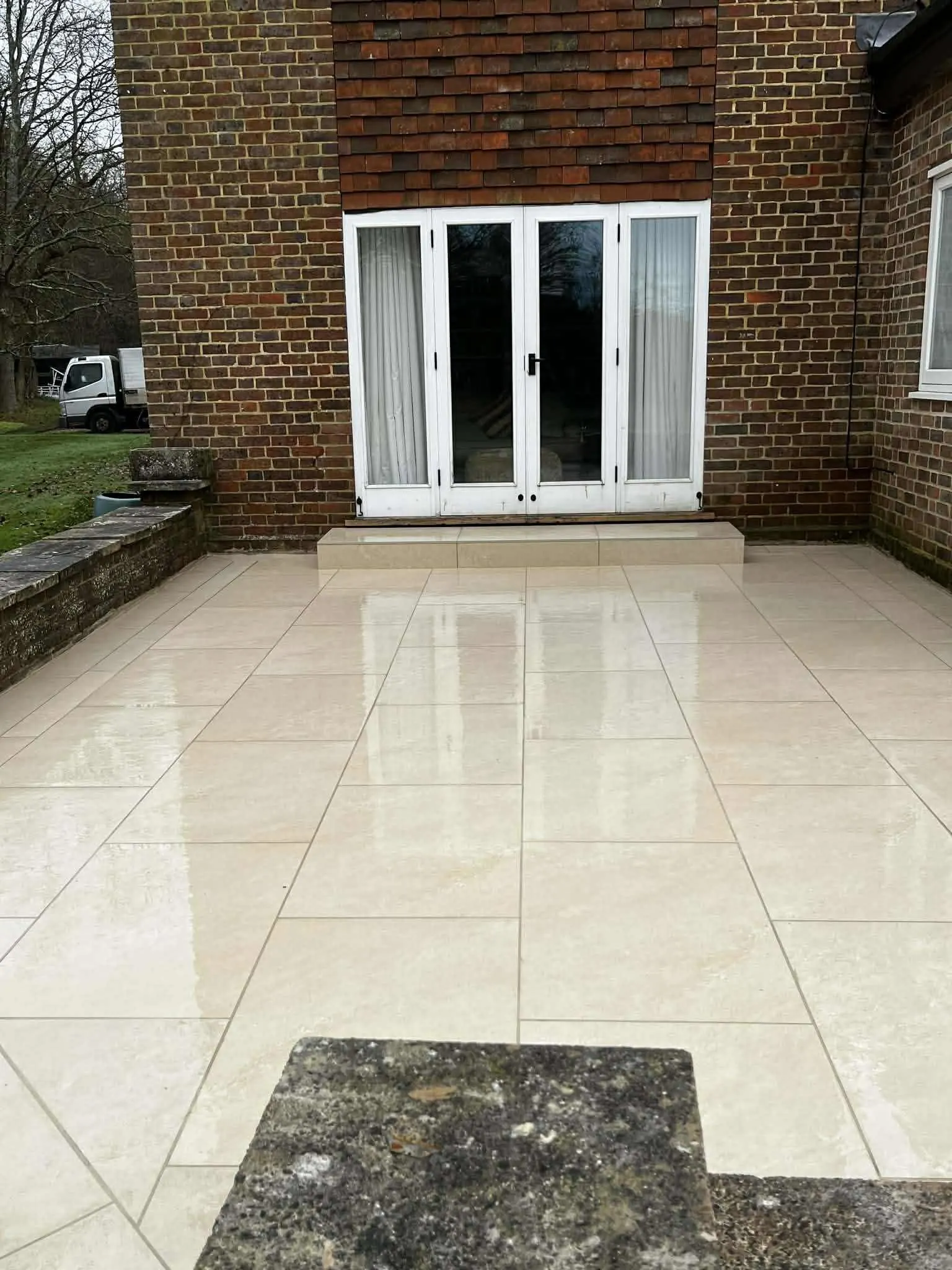 Patios & Garden Paving New patios, extensions and refurbishments in porcelain, sandstone or slabs, with the right falls.
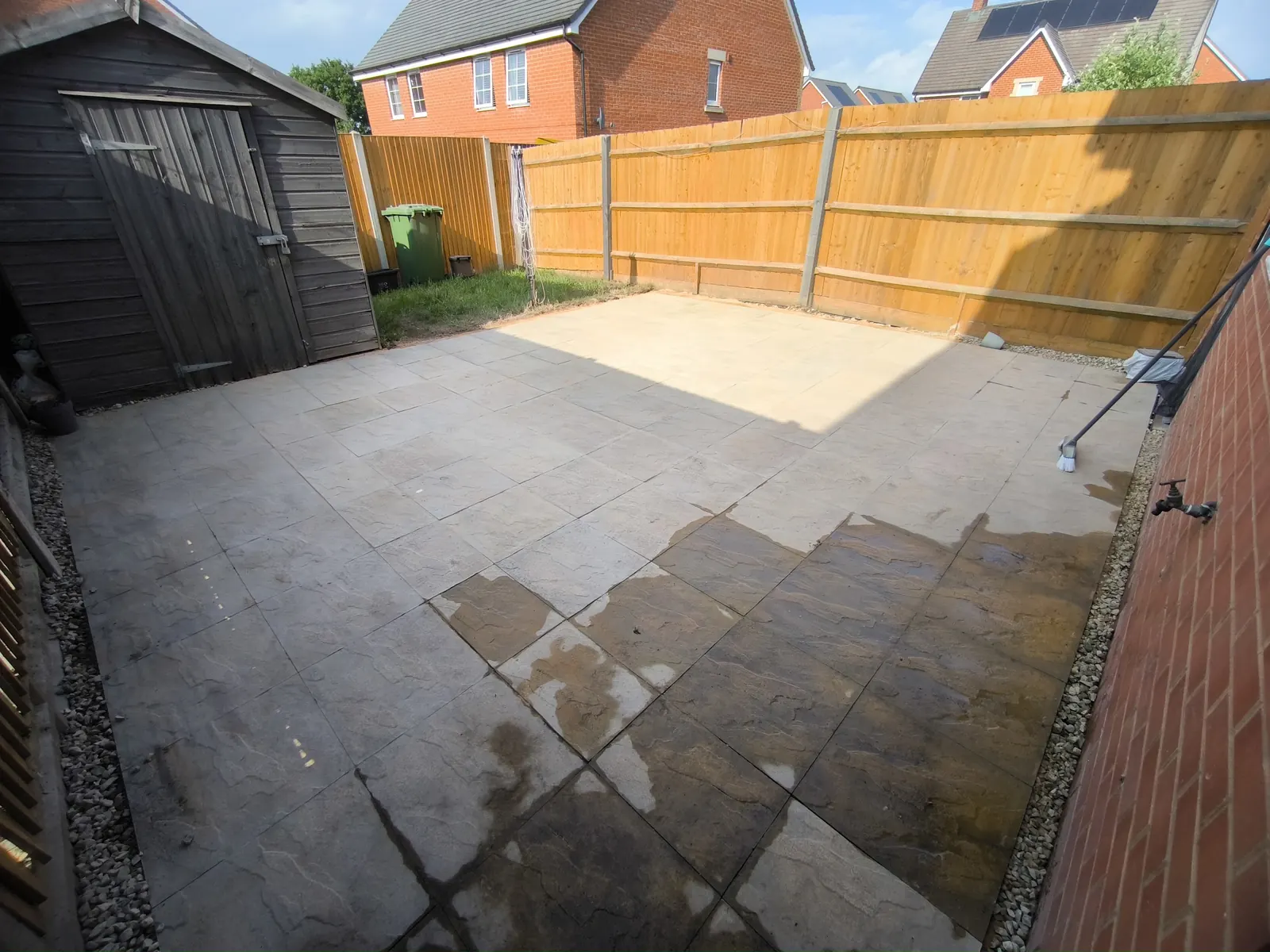 Driveway Cleaning & Sealing Moss, weeds and years of grime pressure-washed out, re-sanded and sealed. Usually done in a day.
 Driveway & Patio RepairsSunken, rutted or dipping block paving lifted, the base rebuilt and the blocks relaid level.
 Groundwork & LevellingExcavation, levelling sloping gardens, sub-bases, retaining walls and drainage, done right first.
 Artificial GrassReal lawns that never quite work replaced with artificial grass on a proper, free-draining base.